
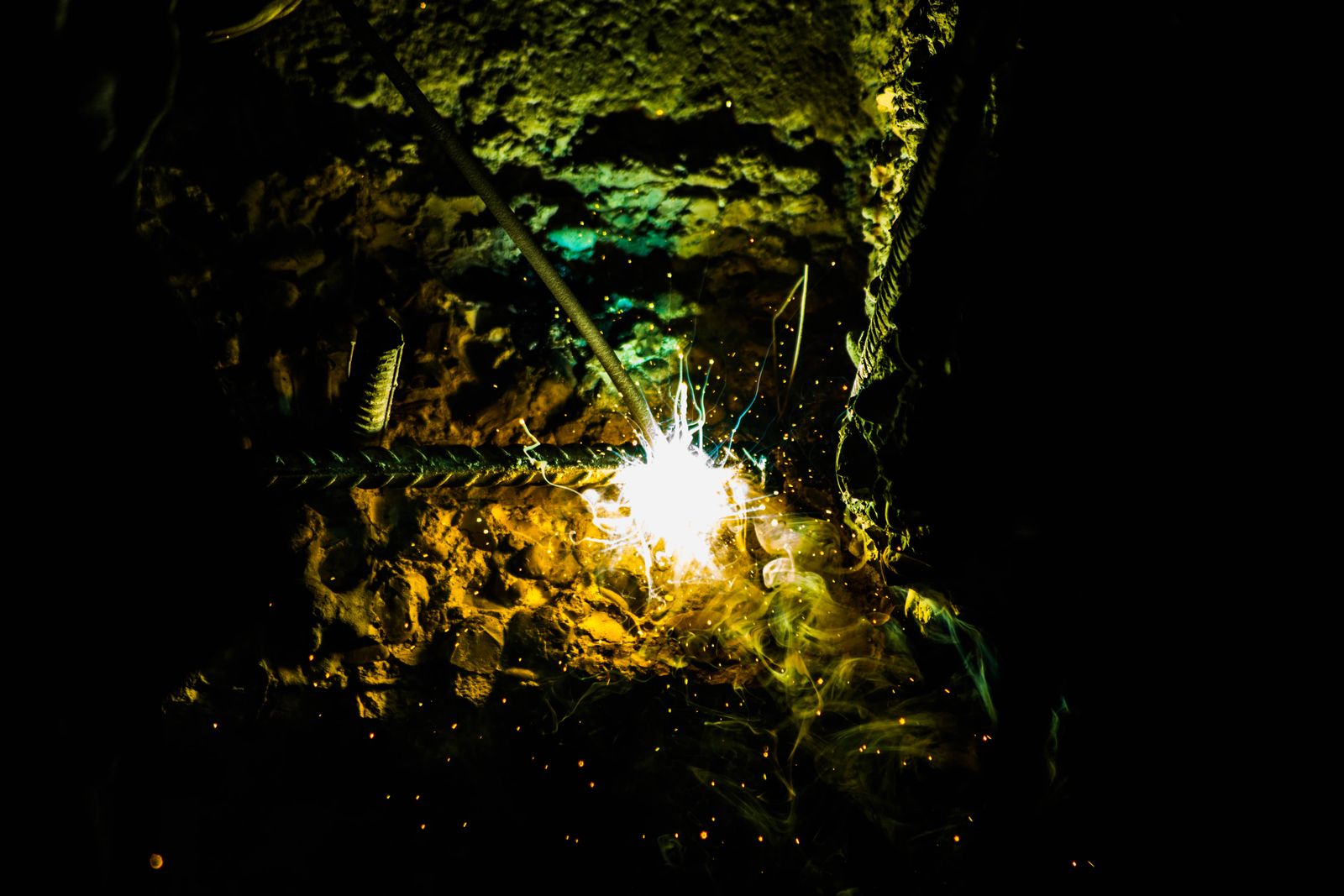
Skilled trades recruiters who read the certs.
Welders, machinists, maintenance technicians, industrial electricians, tool and die makers, CNC programmers and millwrights. The hardest seats in any plant to fill and the ones where a bad hire costs the most. Temp to hire, contract or direct placement, screened by recruiters who know MIG from TIG. Written quote within 24 hours.
Sources: US Bureau of Labor Statistics, Job Openings and Labor Turnover Survey, Table 1, July 2026 (580,000 versus 428,000 in July 2025), released September 1, 2026, seasonally adjusted. BLS Employment Situation, Table B8, average hourly earnings of production and nonsupervisory employees, August 2026 versus August 2025, seasonally adjusted, percent change computed from published dollar values. NFIB Jobs Report, August 2026. Quote turnaround is C3 Workforce policy.
Three situations that bring plants to us.
The market for trades is tight. Manufacturing openings are up more than a third over the year, production pay in durable goods is rising faster than pay for all private workers, and Federal Reserve contacts report skilled trades and technical workers difficult to find.
A maintenance seat open for months
The posting has been up since spring. The two technicians you have are covering three shifts and the overtime is showing in the downtime log. We keep a bench of screened tradespeople ahead of demand instead of starting the search when the order arrives.
Welders who pass the test the first time
Every applicant says they can weld. We ask about process, position and material, verify certifications, and when you want a weld test or a practical before start, we arrange it. You interview the ones who already passed.
Shutdowns, installs and retooling
A line move, a new cell, a summer shutdown or a controls upgrade needs millwrights, electricians and PLC technicians for a defined term. Contract staffing brings them in at a fixed rate and off the books when the project closes.
The trades are the tightest seat in American manufacturing.
What the national numbers say about skilled trades hiring in September 2026, who else is bidding for the same people, and what it means for the plant that has a maintenance seat open.
Manufacturing job openings reached 580,000 in July 2026, up 36 percent from 428,000 a year earlier, and durable goods alone accounted for 429,000 of them, up from 255,000. Over the same year manufacturing payrolls grew by only 23,000, to 12.6 million. Openings are rising much faster than hires, and the gap is widest in the skilled seats. The Federal Reserve's September 2026 Beige Book reported that skilled trades and technical workers were difficult to find across its districts, with electricians in particular seeing notably larger wage increases than other workers.
The pay data confirm it. Production and nonsupervisory hourly earnings rose 4.7 percent in durable goods manufacturing and 5.0 percent in construction over the year to August 2026, against 3.3 percent for all private production workers. Among small business owners hiring in August, 47 percent reported few or no qualified applicants, and 31 percent had openings for skilled workers versus 13 percent for unskilled. Randstad's analysis of more than 150 million job postings found skilled trades roles take 56 days to hire, longer than desk based professional roles, with robotics technician vacancies up 113 percent and HVAC engineer vacancies up 78 percent. For every 100 young workers entering the trades, 102 are leaving.
That last figure is the heart of the problem. Deloitte and The Manufacturing Institute count nearly 500,000 open manufacturing technician positions in the United States today and 2.3 million technician openings to fill between 2025 and 2030, with technician employment growing six times faster than production occupations. Their 2024 projection put the sector's total need at 3.8 million new workers by 2033, 2.8 million of them replacing retirees. The Bureau of Labor Statistics projects about 30,400 openings a year for machinists and tool and die makers through 2035, nearly all replacement; about 51,900 a year for industrial machinery mechanics, maintenance workers and millwrights, with 14 percent growth; and about 72,700 a year for electricians, with 9 percent growth. Retirement is the driver, and retirement does not slow down when the economy does.
The competition for these people is no longer just the plant down the road. A record 7,481 megawatts of data center capacity was under construction in US primary markets in the first half of 2026, and data centers accounted for all of the growth in nonresidential construction spending in July. Indeed reports that hourly installation and maintenance pay runs 42 percent higher inside data centers than for the same occupations outside them, and that data center jobs now make up 6 of every 1,000 US postings, double the share of two years ago. Construction unemployment hit a record low 3.1 percent in August. In defense, one shipbuilder alone plans 8,000 hires in 2026 and is expanding a training center to 100,000 square feet to teach welding, pipefitting, machining and electrical work from scratch. Your maintenance manager is bidding against all of them.
For the plant, the practical meaning is that a posting will not fill a journeyman seat in 2026. Internal manufacturing hiring already takes about 49 days from posting to start, and that is the average across all roles, not the trades. Meanwhile the manufacturing workweek held at 40.5 hours in August with 3.1 hours of overtime, and transportation equipment plants averaged 5.3 hours of overtime a week through 2025. The premium for tradespeople is now a fact of the market. The only question is whether you pay it as wages to a person who stays, or as overtime, downtime and contractor invoices while the seat sits open.
Sources: US Bureau of Labor Statistics, Job Openings and Labor Turnover Survey, Table 1, July 2026 (released September 1, 2026), seasonally adjusted; BLS Employment Situation, Table B 1 and Table B 8, August 2026 (released September 4, 2026), percent changes in production and nonsupervisory hourly earnings computed from published dollar values; BLS Occupational Outlook Handbook, 2025 to 2035 projections, updated August 27, 2026; BLS, overtime hours in manufacturing industries, The Economics Daily, March 2026. Federal Reserve Beige Book, September 2, 2026, national summary and Chicago district. NFIB Jobs Report, August 2026. Randstad USA, skilled trades demand analysis, March 2026, based on more than 150 million postings. Deloitte and The Manufacturing Institute, manufacturing technician study, September 10, 2026, and manufacturing workforce projection, April 2024. CBRE, North American Data Center Trends, first half 2026 (August 27, 2026). US Census Bureau, construction spending, July 2026 (released September 1, 2026), with data center attribution by Associated Builders and Contractors. Indeed Hiring Lab, data center hiring analysis, July 14, 2026. Associated General Contractors of America, August 2026 construction employment analysis. Manufacturing Dive, Electric Boat hiring and training center, August 26, 2026. iCIMS Insights Workforce Report, August 2026.For every 100 young workers entering the skilled trades, 102 are exiting. Skilled trades roles take 56 days to hire.
Source: Randstad USA, analysis of more than 150 million US job postings, March 2026.With 2.3 million technician openings to fill from 2025 to 2030, growing six times faster than production roles.
Source: Deloitte and The Manufacturing Institute, September 10, 2026.Installation and maintenance trades earn about 42 percent more inside data centers than in the same occupation elsewhere. That is who you are bidding against for an electrician.
Source: Indeed Hiring Lab, July 14, 2026.Eight trades, what each one actually does, and what we verify.
Every resume says journeyman. Here is what the person does on your floor, the certifications and skills that matter, what C3 checks before presenting anyone, and the shifts these seats usually run.
Welders and fabricators
On the floor. Reads a weld symbol and a fabrication print, fits and tacks, welds to a procedure in the position the job requires, grinds and inspects the bead, and knows why a weld failed when it did.
What matters. Process (MIG, TIG, stick, flux core), position (flat through overhead, 3G, 4G, 6G) and material (carbon steel, stainless, aluminum). Certifications to AWS D1.1 for structural steel, D1.2 for aluminum, D17.1 for aerospace, or ASME Section IX for pressure work. Fabricators add layout, saw and press brake experience.
C3 screens for. Process, position and material actually welded on the last three jobs, current certifications verified, and a weld test on your equipment or at a testing facility when you want one before start.
Shifts. Days for fabrication shops, all shifts for production welding. BLS projects about 40,300 openings a year nationally for welders, cutters, solderers and brazers.
Machinists, manual and CNC
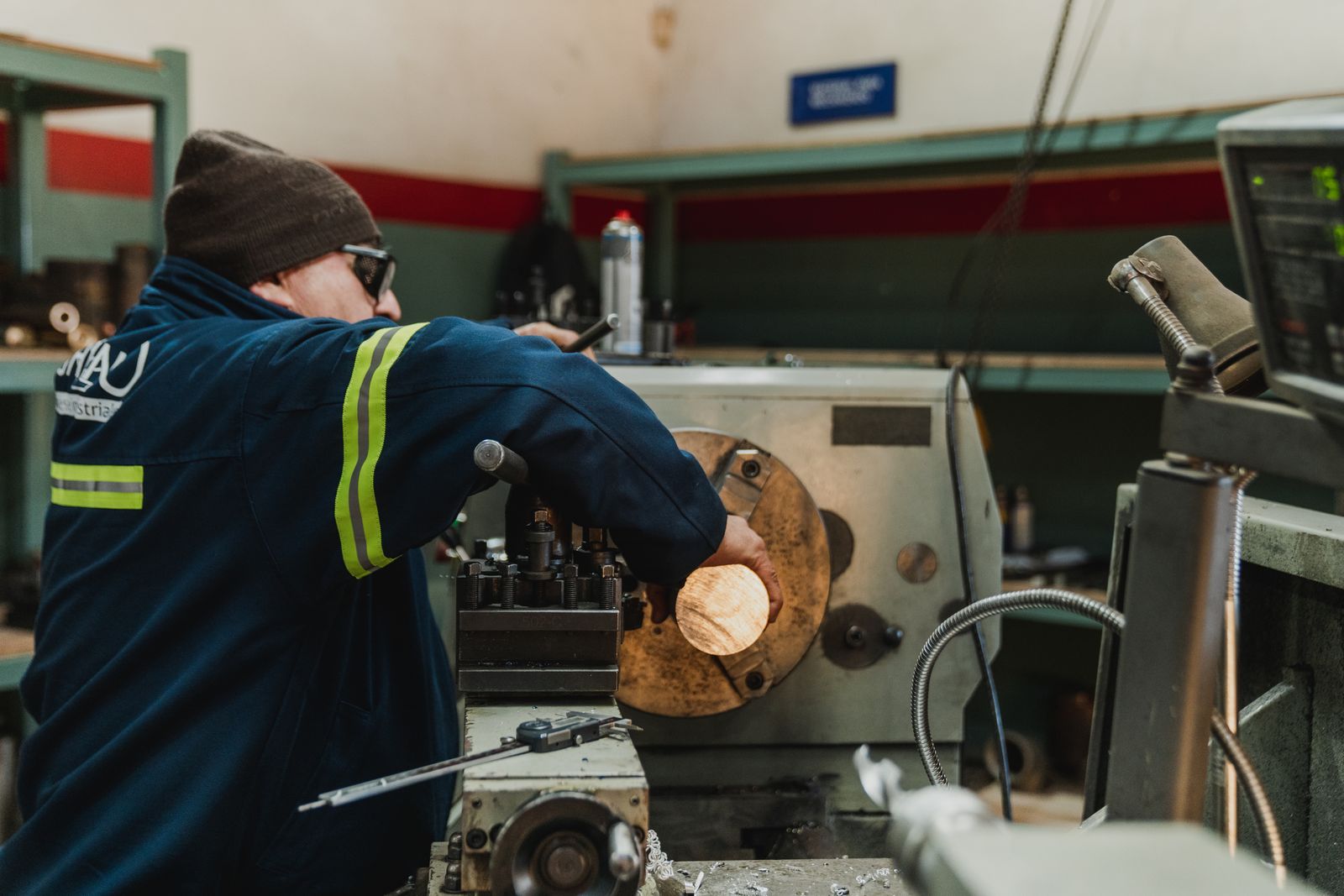
On the floor. Sets up and runs mills, lathes and machining centers from a print, selects tooling and speeds, holds tolerance across a run, checks parts with hand gauges and adjusts offsets as tools wear.
What matters. Print reading with GD&T, tolerances routinely held (tenths versus thousandths), controls run (Fanuc, Haas, Mazak, Okuma, Siemens), materials cut, and whether the candidate sets up or only loads. NIMS credentials or a completed apprenticeship help but experience carries.
C3 screens for. A print reading and tolerance conversation, machines and controls by name, and a practical on your equipment when you want one.
Shifts. Two shift is common, with third shift running lights out cells. BLS projects about 30,400 openings a year for machinists and tool and die makers combined, nearly all replacing retirees.
CNC programmers and setup technicians
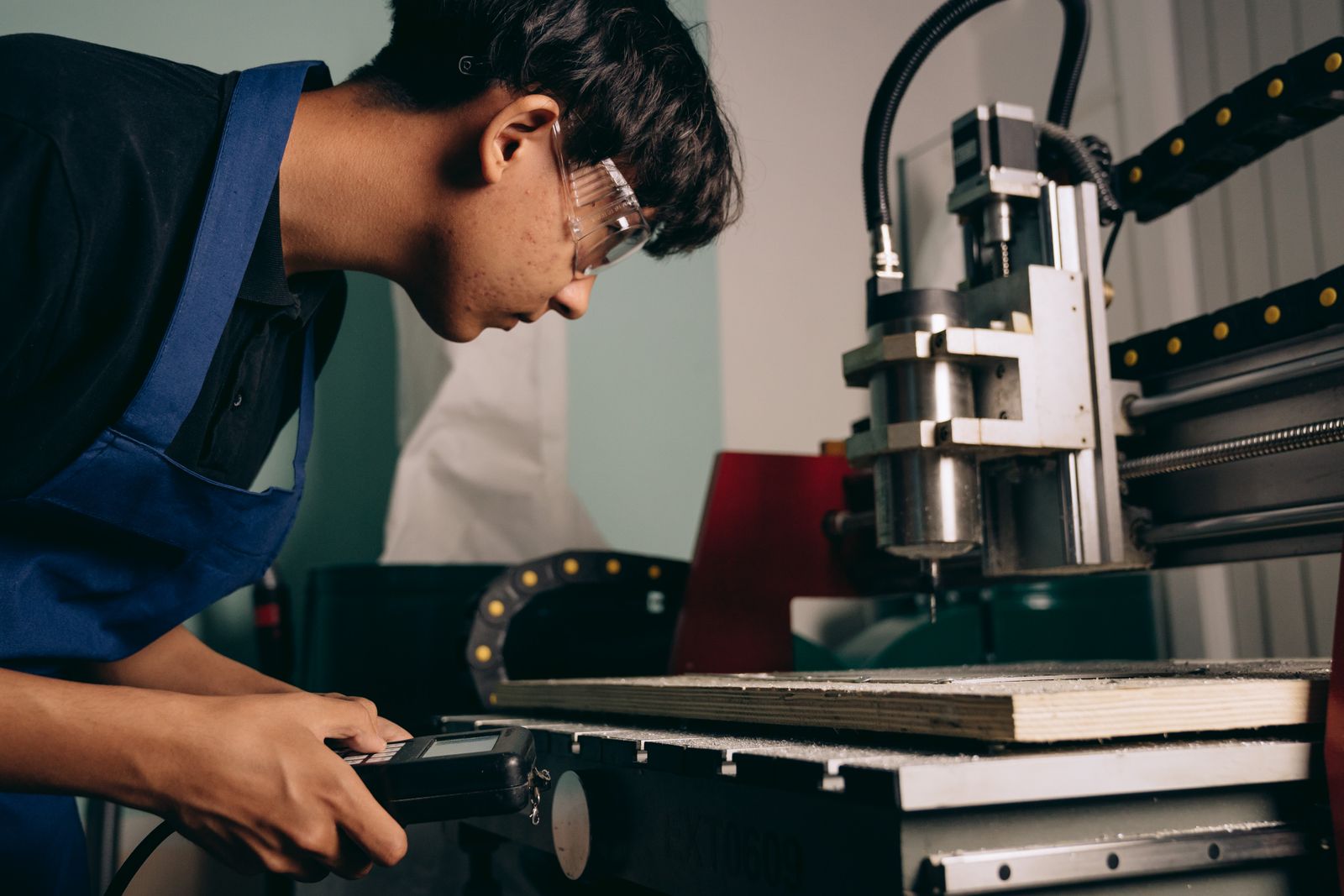
On the floor. Writes and proves out programs in CAM, builds fixtures and work holding, runs first articles, documents setups so operators can repeat them, and cuts cycle time on existing jobs.
What matters. Mastercam, Siemens NX, Fusion or Esprit; multi axis and mill turn experience; G code editing at the control; first article inspection and CMM familiarity; the ability to train operators.
C3 screens for. Programs written and proved out, part complexity and materials, software versions used, and references from the shop floor rather than HR.
Shifts. Days with prove out call ins. BLS projects 6 percent growth for CNC tool programmers from 2025 to 2035 while CNC operator employment declines, so the programmer is the seat that stays scarce.
Tool and die makers
On the floor. Builds, repairs and tries out stamping dies, molds, jigs and fixtures; grinds and fits to tenths; diagnoses a die that is throwing burrs and fixes it before the next run.
What matters. A completed apprenticeship or journeyman card, surface grinding, wire and sinker EDM, die tryout in a press, CAD reading, and the press or mold sizes worked.
C3 screens for. Dies built and repaired, tryout and buyoff experience, tolerances held, and the shop's own confirmation of what the candidate did.
Shifts. Days with tryout support on off shifts. BLS projects tool and die employment to decline 9 percent by 2035, yet openings persist because the retirements come faster than the decline.
Multi craft maintenance technicians
On the floor. Responds to downtime, troubleshoots across mechanical, electrical, hydraulic and pneumatic systems, reads PLC faults to root cause, executes preventive maintenance and documents the fix in the CMMS.
What matters. Journeyman card or equivalent documented experience, 480 volt three phase troubleshooting, VFDs, PLC fault reading (Rockwell, Siemens), robot recovery, welding for repairs, authorized lockout and tagout, arc flash training to NFPA 70E.
C3 screens for. A troubleshooting scenario walked through out loud, an equipment list match to your floor, and references from maintenance supervisors.
Shifts. Off shifts, weekends and shutdown weeks carry the load. BLS projects 14 percent growth and about 51,900 openings a year for industrial machinery mechanics, maintenance workers and millwrights.
Industrial electricians
On the floor. Installs, troubleshoots and repairs plant power distribution, motor controls, drives and control panels; runs conduit for new cells; reads schematics and one line diagrams; works to the National Electrical Code.
What matters. State journeyman or master license where the jurisdiction requires one for the work, NFPA 70E, medium voltage experience where you have it, motor control and PLC wiring, and panel building.
C3 screens for. License status verified with the issuing state board and matched to your jurisdiction, voltages worked, and control wiring experience, not just conduit.
Shifts. Days for installs, all shifts for plant maintenance. BLS projects 9 percent growth and about 72,700 openings a year for electricians, and this is the trade data centers are pulling hardest.
Millwrights and mechanical technicians
On the floor. Moves, sets, levels and aligns machinery; rigs presses and cells during line moves; rebuilds gearboxes, pumps and conveyors; does precision shaft alignment and vibration checks.
What matters. Rigging and signal certification, laser alignment tools, precision leveling, hydraulics, bearing and seal work, and reading equipment drawings. Union or apprenticeship background is common.
C3 screens for. Equipment moved and set, alignment tools used, rigging plans followed, and shutdown or installation project history.
Shifts. Project based, with shutdown weeks, holiday weekends and nights when the line is down. Most go out on contract for a defined term.
PLC, controls and automation technicians
On the floor. Programs and troubleshoots PLCs and HMIs, recovers and reteaches robots, tunes vision systems, commissions new cells, diagnoses industrial network faults and keeps the automation running at rate.
What matters. Rockwell Studio 5000 or Siemens TIA Portal, robot teach pendant (Fanuc, ABB, Yaskawa, KUKA), vision systems (Cognex, Keyence), EtherNet/IP and Profinet, servo and drive tuning, and the ability to read and edit ladder logic under pressure.
C3 screens for. Platforms programmed, robots recovered, cells commissioned, and a fault scenario explained step by step.
Shifts. All shifts, with launch nights. Randstad reports robotics technician vacancies up 113 percent, and BLS projects about 1,400 openings a year for electro mechanical and mechatronics technicians on a base of only 15,700 jobs.
Four reasons the maintenance posting has been up since spring.
These are structural, not cyclical. A slower economy does not make retirements stop or data centers pause.
The retirement math
Manufacturing needs 3.8 million new workers between 2024 and 2033, and 2.8 million of that is replacing people who retire. In the trades the replacement share is nearly total: BLS projects about 30,400 openings a year for machinists and tool and die makers on an occupation that is not growing. About 20,000 electricians retire each year against a need for more than 300,000 new ones over the next decade.
How C3 handles it. We recruit ahead of the requisition and keep relationships with tradespeople who are not looking yet, so the search starts from a bench instead of a blank posting.
Sources: Deloitte and The Manufacturing Institute, April 2024. BLS Occupational Outlook Handbook, machinists and tool and die makers, 2025 to 2035. Fortune, electrician shortage reporting, March 2, 2026.Credentials you cannot read off a resume
Employers now see about 30 applicants per opening and still take a median 40 days to fill a role, because volume is not the shortage, verified skill is. A welding certification is process, position and material specific. A journeyman card says what someone finished, not what they can troubleshoot today. A machinist who can only load a program looks identical on paper to one who can set up and hold a tenth.
How C3 handles it. We verify certifications with the issuer, ask trade specific questions a recruiter without floor experience cannot ask, and arrange a weld test or practical before start when you want one.
Source: iCIMS Insights Workforce Report, September 2026 (August 2026 data, 30 applicants per opening, median time to fill 40 days).Data centers, defense and utilities bidding for the same people
A record 7,481 megawatts of data center capacity is under construction, installation and maintenance trades earn about 42 percent more inside those buildings, and utilities production pay rose 7.8 percent over the year to August 2026, the fastest of any major industry. Defense shipyards are hiring by the thousands and training from scratch. The plant electrician has more options than at any point in a generation.
How C3 handles it. We tell you what the market is paying before you post, recruit the people who prefer a stable plant schedule to a traveling project, and offer temp to hire so the candidate can see the shop before committing.
Sources: CBRE, North American Data Center Trends, first half 2026. Indeed Hiring Lab, July 14, 2026. BLS Employment Situation Table B 8, August 2026, utilities production and nonsupervisory earnings, percent change computed from published values. Manufacturing Dive, August 26, 2026.Off shifts, shutdowns and the overtime bill
Manufacturing turned over 29.3 percent of its workforce in 2025, with voluntary quits at 16.6 percent, and the maintenance seat that empties on third shift is the hardest to refill. Meanwhile the two technicians left are covering three shifts. Peer reviewed research on 110,236 US job records found overtime schedules carry a 61 percent higher injury hazard rate than jobs without overtime.
How C3 handles it. Contract tradespeople for shutdowns, installs and retooling at a fixed rate for a defined term, and temp to hire technicians to take the off shift so your core crew's hours come down.
Sources: BLS Job Openings and Labor Turnover Survey, manufacturing total separations and quits rates, twelve months of 2025 summed. Dembe, Erickson, Delbos and Banks, Occupational and Environmental Medicine, 2005.Welders, machinists, maintenance techs.
Our recruiters know the difference between MIG and TIG, between a machinist who can read a print and hold a tolerance and one who can only load a program, and between a maintenance tech who can troubleshoot a PLC fault and one who can only swap parts. We ask about certifications, weld tests, machines run and tolerances held, and we verify. We recruit these roles across manufacturing, automotive, aerospace and food, and for the data center and energy projects now pulling tradespeople out of every other sector.
Fabrication and machining
Maintenance and controls
How we place them
One bill rate. Everything an employer owes is inside it.
C3 Workforce is the employer of record
For every temp to hire and contract tradesperson on assignment, we hire, pay, insure and, when necessary, dismiss. The wage is what the worker earns. Everything else moves to our desk. For direct placement, the hire is your employee from day one.
- Recruiting, interviews and skill evaluation
- Certification verification and weld or practical tests on request
- Background and drug screening to your requirements
- E Verify and I 9 employment eligibility verification
- Payroll processing and W 2s
- Payroll taxes: FICA, FUTA and SUTA
- Workers compensation coverage
- Unemployment claims administration
- ACA tracking and 1095 C reporting
- A recruiter who checks in with you and the tradesperson
Four steps from first call to a tradesperson who stays.
No portal, no sales sequence. The person who takes your call is the person who works your search.
Consult
You talk to a salesperson, not an intake form. Process, position and material for a welder. Machines, controls and tolerances for a machinist. Equipment, PLC platforms and shift for a maintenance tech. Written quote within 24 hours.
Source and screen
Relationships, not resumes. We ask about certifications, weld tests, machines run and tolerances held, then we verify. When you want a weld test or a practical before start, we arrange it.
Start
Onboarding, payroll setup, safety orientation and required notices are handled before day one. Your maintenance manager meets someone who already understands the equipment and the site rules.
Support
A recruiter checks in with you and the tradesperson. If something is not working, call us. We respond within one business day.
What the market looks like right now.
Every figure is national, sourced and dated. Data as of September 13, 2026.
July 2026 versus 428,000 in July 2025. Durable goods openings alone rose 76,000 in July, to 429,000 from 255,000 a year earlier.
Source: BLS Job Openings and Labor Turnover Survey, Table 1, July 2026, released Sept 1, 2026. Seasonally adjusted.Production and nonsupervisory hourly earnings rose 4.7 percent in durable goods manufacturing and 5.0 percent in construction from August 2025 to August 2026, versus 3.3 percent for all private production workers.
Source: BLS Employment Situation Table B 8, August 2026, seasonally adjusted; percent changes computed from published dollar values.Of small business owners hiring or trying to hire in August 2026, 47 percent reported few or no qualified applicants. 31 percent had openings for skilled workers versus 13 percent for unskilled.
Source: NFIB Jobs Report, August 2026.May 2025 national medians: electricians $63,190 with 72,700 openings a year; industrial machinery mechanics $64,520; machinists $58,750; welders, cutters, solderers and brazers $53,750.
Source: BLS Occupational Outlook Handbook, May 2025 OEWS medians, 2025 to 2035 projections.With manufacturing openings up 36 percent, fewer than one unemployed person per opening and nearly half of small employers reporting no qualified applicants, a trades search that starts when the seat empties is already late. The plants that fill maintenance and machining seats in 2026 are the ones that set pay against the durable goods and construction figures above rather than last year's budget, and that let a candidate prove the skill on the floor through temp to hire instead of losing them to a longer interview loop. For shutdowns and installs, contract crews at a fixed rate beat stretching two technicians across three shifts.
Straight answers.
Our monthly read of the BLS jobs report shows 0.95 unemployed people for every opening, manufacturing openings up 36 percent over the year and production pay in durable goods outrunning the all private figure, with Federal Reserve contacts reporting skilled trades and technical workers difficult to find.
Do you test welders and machinists before sending them?
We verify certifications and ask detailed questions about process, position, material, machines run and tolerances held. When you want a weld test or a practical before start, we arrange it, on your equipment or at a testing facility, so you interview people who have already proven the skill.
Temp to hire or direct placement for a maintenance technician?
It depends on how sure you are. Temp to hire lets you evaluate a technician on your equipment before committing, which many plants prefer for maintenance because troubleshooting ability only shows on the floor. Direct placement fits when the seat is permanent, the budget is approved and you want the person on your payroll from day one. We will lay out both in the quote.
How long does a skilled trades search take?
Longer than a production order and we will not pretend otherwise. It depends on the trade, the shift, the pay rate and your screening requirements. Because we keep a bench of screened tradespeople ahead of demand, some searches move quickly. We give you a realistic timeline in the quote rather than a promise we cannot keep.
Can you staff a shutdown or a plant move on contract?
Yes. Millwrights, industrial electricians, PLC technicians and machinists go out on contract for a defined term at a fixed rate. Tell us the scope, the dates and the trades and we will build the crew. Contract placements can convert to direct hire at any time.
Which industries do you recruit trades for?
Manufacturing of every kind, automotive suppliers, aerospace and defense shops, food plants, distribution centers with automated equipment, and the data center and energy construction now competing for the same electricians and technicians. The screening standard is the same everywhere: qualified enough to work in our own office.
Do you place licensed electricians, and how do you handle state licensing?
Yes. Licensing requirements for electrical work vary by state and by whether the work is construction or in plant maintenance, so we start by asking what your jurisdiction and your insurer require for the work you need done. We verify license status with the issuing state board, confirm it matches your jurisdiction, and put the requirement in the job order so nobody discovers a gap after the person is on your floor.
How does a weld test work, and who sets it?
You do. Tell us the process, position, material and thickness the job requires, and whether you want a visual, a bend test or radiography. We arrange the test on your equipment or at a testing facility, and only the candidates who pass reach your interview. The cost and timing are laid out in the written quote so there are no surprises.
Can you place helpers or entry level technicians alongside our journeymen?
Yes. When the journeyman search is going to take time, many plants add a mechanically capable helper or entry level technician on temp to hire so the experienced people stop doing the routine work and the plant grows its own next journeyman. We screen for aptitude, attendance and safety habits rather than a card the person does not yet have, and we tell you plainly that this is a development hire, not a replacement for the journeyman.
What about travel and per diem for a shutdown crew?
Contract crews for shutdowns and installs often include tradespeople traveling from outside your area. Travel, lodging and per diem arrangements are spelled out in the written quote for that project, along with the term and the fixed rate, so you can compare it against contractor bids on the same basis.
The market moved. How do we know our pay rate is competitive?
We tell you before you post. Durable goods production pay rose 4.7 percent over the year to August 2026 and construction 5.0 percent, and data center work pays installation and maintenance trades about 42 percent more than the same occupation elsewhere. If your rate will not attract someone who stays, we say so in the consult and show you the national data, and you decide.
What if the tradesperson leaves partway through the assignment?
Call your recruiter. We will find out what happened, tell you honestly, and work on a replacement. We do not publish a blanket replacement guarantee because every trade, shift and location is different, and we would rather tell you exactly what we will do than hide behind fine print.
Pick the model that fits the seat.
Tell us the trade. We’ll tell you who we have.
Most quotes go out within one business day. No pitch, no pressure. Just a number and a start date.